
Septic installation estimates in Polk County
A septic installation price depends on the land, building plans, system design, permit needs, and access. Share the property facts first. A qualified pro can then explain the work and prepare a real estimate.
Polk Septic Help is an independent referral publisher, not the contractor performing the work.
One request goes to one qualified provider at a time. We follow up if contact does not happen.
Published by Demand Leads Media. Reviewed July 28, 2026 against the official sources listed below. Read our editorial standards.
Describe the project
Start by separating a new system, replacement, repair, and alteration. The regulatory and design questions can differ, and an existing permit or system may affect the available path.
State the property use and known design basis, such as residential bedroom count or other expected wastewater demand. Do not guess at a final capacity if records or project plans are available.
- New construction, replacement, repair, or alteration
- Residential or other property use
- Known bedroom count or expected wastewater use
- Existing system, sewer availability, and prior permits
- Project timeline and decision authority
Site factors
The property—not a standard package—controls the workable design. A qualified evaluation may consider soil and site conditions, lot configuration, wells, water bodies, structures, setbacks, drainage, elevation, existing and replacement areas, and the proposed use.
Equipment access, trees, utilities, fences, driveways, pools, landscaping, and areas already disturbed by construction can affect both design and installation scope. Provide known surveys, plans, and permit records before the proposal is finalized.
- Lot size, setbacks, wells, water bodies, and structures
- Soil, elevation, drainage, and seasonal conditions
- Equipment access and areas disturbed by construction
- Space for the proposed system and replacement area
- Applicable enhanced-treatment or maintenance requirements
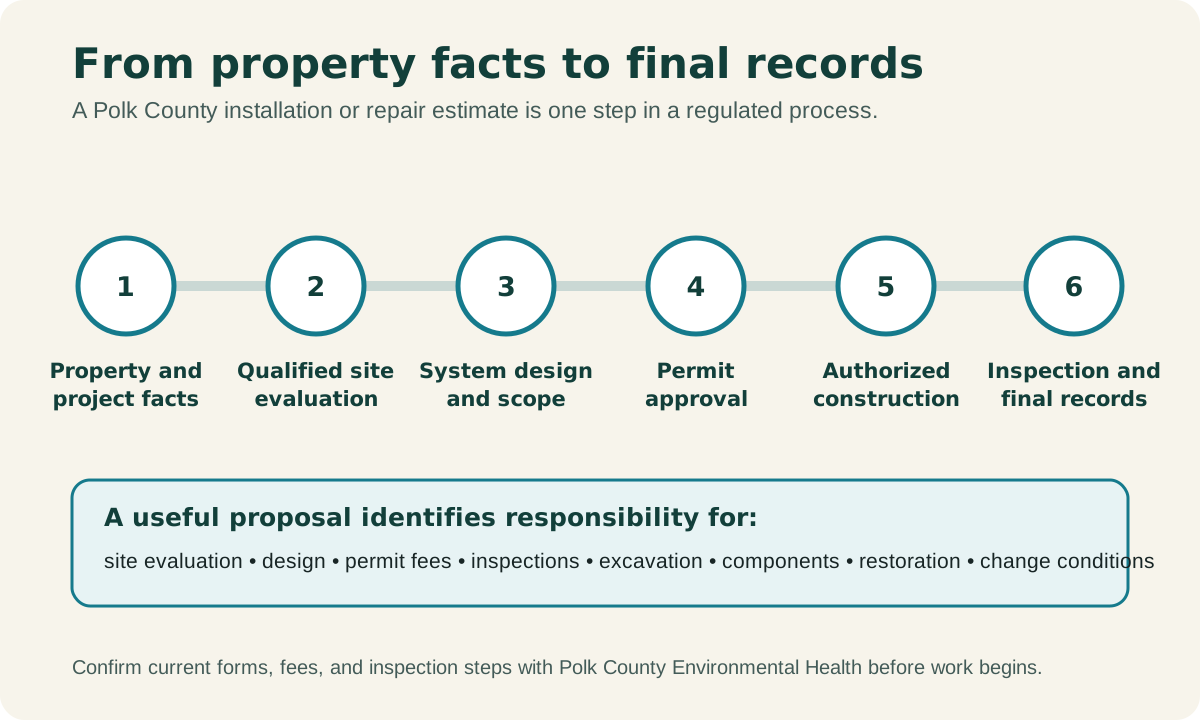
A typical planning sequence
Polk County Environmental Health currently handles onsite-system permitting and inspection in the county. Florida DEP sets statewide rules and registration requirements. Confirm the current local submission path and forms before beginning work.
Florida also permits authorized private providers to perform specified construction inspections under current state rules. Their use does not remove permit, authorization, reporting, photograph, portal, review, or conflict-of-interest requirements.
- Confirm project and property information
- Evaluate the site and applicable requirements
- Develop the system design and written scope
- Obtain required permits
- Install through an authorized contractor
- Complete required inspections and records
What a complete installation scope should identify
A proposal can look complete while leaving site restoration, electrical work, controls, old-system handling, permit revisions, or maintenance requirements outside the total. Ask for those boundaries in writing.
- System type, design basis, capacity, treatment, dosing, controls, and alarms
- Tank, pump chamber, distribution, drain-field, pipe, and component assumptions
- Site evaluation, engineering, design, permit, and inspection responsibility
- Existing system abandonment, removal, reuse, or protection
- Excavation, dewatering if applicable, imported material, grading, and erosion control
- Utility, tree, fence, driveway, landscaping, and access responsibilities
- Startup, testing, operating documents, maintenance agreements, and final records
Compare proposals carefully
Compare the same design assumptions and responsibilities. If two proposals use different system types, evaluated areas, permit responsibilities, components, or restoration limits, their totals are not directly comparable.
Ask what unknown condition could trigger redesign or a change order, who controls that decision, and what happens if the county or site evaluation does not support the initial concept.
- System type and design assumptions
- Permit, inspection, and engineering responsibilities
- Site preparation and restoration
- Equipment, controls, and maintenance obligations
- Written exclusions, change conditions, and payment schedule
Keep the final property record
The record should remain with the property. It can reduce future location work, clarify maintenance obligations, and give a later provider better evidence than a verbal history.
- Approved permit, application, site evaluation, plans, and revisions
- Inspection approvals and final documentation
- Installed component information and system sketch
- Operating, alarm, control, and maintenance instructions
- Installer, service entity, maintenance agreement, and warranty information
- Pumping, inspection, repair, and future service history
Questions homeowners ask
Can I get an accurate septic installation price from the address alone?
Usually not. Property use, site conditions, design, system type, access, permitting, inspection, existing-system work, and restoration can materially change the scope.
Who permits septic installation in Polk County?
As of this review, the Florida Department of Health in Polk County says it evaluates, permits, and inspects new and repaired onsite systems in the county.
Can a private provider perform the construction inspection?
Florida allows authorized private providers to perform specified onsite-system inspections under current rules. Confirm authorization, reporting, photograph, portal, review, and conflict requirements for the project.
What should I compare besides the total price?
Compare the design basis, system and components, permit and inspection roles, excavation, old-system handling, restoration, electrical and controls, exclusions, change conditions, maintenance, warranty, and final records.
Ready to stop guessing and talk to a septic pro?
Tell us what changed, where the property is, and when you need help. We send your request to one qualified provider, follow up, and move to the next qualified provider if contact does not happen.
Help me find a septic proNo call-list blast. No pressure to hire. Provider contact and a quote are not guaranteed.
Keep the free Polk County homeowner guide