
Septic warning signs in Lakeland & Polk County
A backup, alarm, sewage smell, wet yard, or several slow drains can mean the system needs attention. Cut back water use if sewage is backing up or overflowing, then tell a qualified septic pro what changed.
Polk Septic Help is an independent referral publisher, not the contractor performing the work.
One request goes to one qualified provider at a time. We follow up if contact does not happen.
Published by Demand Leads Media. Reviewed July 28, 2026 against the official sources listed below. Read our editorial standards.
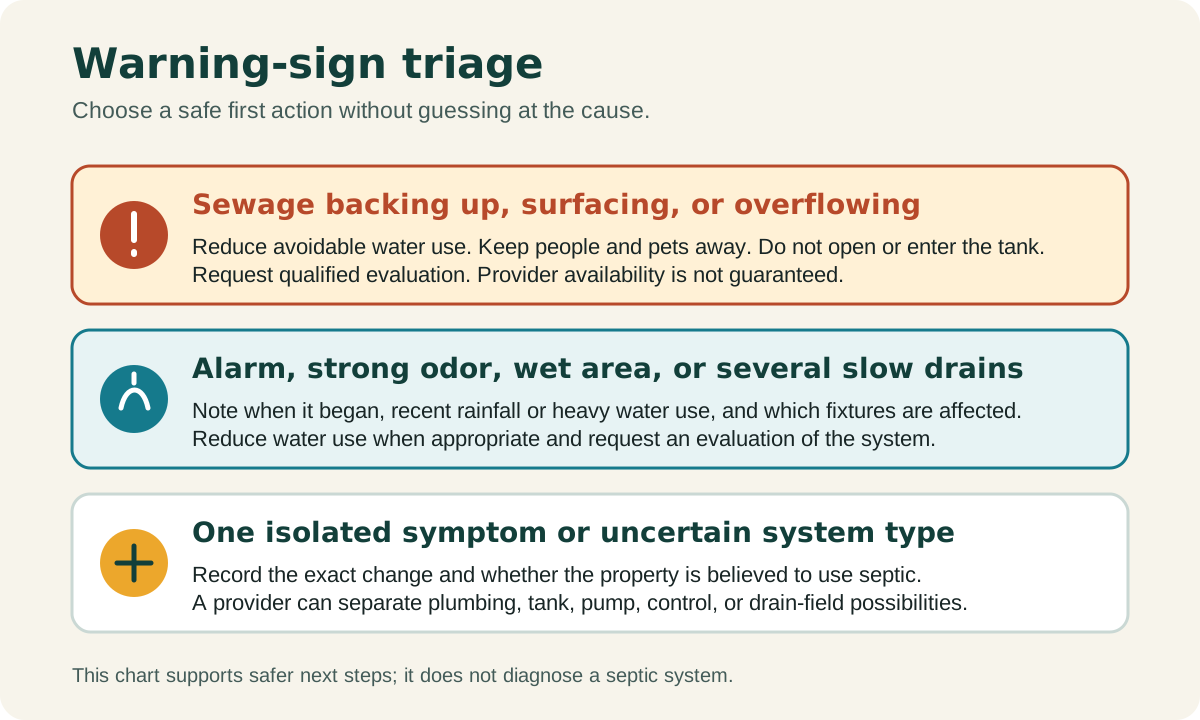
Signs inside the property
One slow sink can be a fixture or household plumbing issue. Several drains changing together, gurgling after heavy water use, sewage at a low fixture, or a system alarm gives the provider more reason to evaluate the septic path. Report the pattern rather than labeling the cause.
- Sewage backing up through a drain or fixture
- Several drains slowing or gurgling at the same time
- Fixtures behaving differently after heavy water use
- A septic, pump, or high-water alarm sounding
Signs near the tank or drain field
Outdoor conditions need context. Rain, irrigation, roof runoff, landscaping drainage, and a septic condition can all affect the ground. Note whether the wet area appears when nearby soil is dry, whether there is sewage odor or surfacing wastewater, and whether the condition returns with household water use.
- Strong sewage odor
- Wet, soft, or surfacing wastewater
- Unusually green growth over part of the drain field
- Visible settling, damage, or a disturbed access lid
Safer first actions
Do not drive over a suspected drain field, excavate around unknown tank components, handle electrical equipment in wet conditions, or add septic chemicals as a substitute for evaluation. If sewage has entered a living area, avoid contact and follow appropriate public-health cleanup guidance.
- Reduce laundry, dishwashing, bathing, and other avoidable water use
- Keep children and pets away from sewage or wet areas
- Do not open, enter, or lean into a septic tank
- Record when the symptom began and what fixtures are affected
- Request qualified evaluation and describe the exact change
What to record before requesting help
Do not enter a contaminated or unstable area to take a photo. A safe description is enough to begin the request.
- The first date and time the condition appeared
- Which fixtures, rooms, alarms, or outdoor areas are involved
- Whether the condition is constant, intermittent, or tied to water use
- Recent rain, irrigation, laundry, guests, power interruption, or plumbing work
- Last known pumping, inspection, repair, and alarm service
- Photos of a safe outdoor condition when they add useful context
- Whether people, pets, electrical equipment, or access covers are at risk
Why remote diagnosis is limited
A full tank, blocked line, failed pump, control problem, damaged component, saturated drain field, or other condition can produce overlapping symptoms. The provider needs property details and may need an onsite evaluation.
Pumping may be one part of the response, but it should not be sold as a guaranteed repair for every backup, alarm, odor, or wet area. Ask the provider what was observed and why any additional work is recommended.
Questions to ask the provider
- Does the symptom call for pumping, inspection, diagnostic work, or more than one?
- What should the household do with water use until the visit?
- Are there unsafe areas that should be isolated?
- Which access points or components may need to be reached?
- How will findings and added-work recommendations be documented?
- Could the proposed repair require a Polk County permit or inspection?
Questions homeowners ask
Is a sewage backup always caused by a full septic tank?
No. A full tank is one possibility, but household piping, a pump or control, an outlet, distribution, the drain field, or another condition can produce similar symptoms. Reduce water use and request evaluation.
Does unusually green grass prove the drain field has failed?
No. It is one possible warning sign when it is concentrated over the drain-field area, especially with odor, wet ground, or recurring drainage problems. Rainfall, irrigation, and landscaping conditions also matter.
What should I do when a septic alarm sounds?
Reduce avoidable water use, note the alarm type and timing, avoid repeatedly resetting equipment, and request evaluation. Do not handle electrical components in wet conditions.
Does Polk Septic Help provide emergency response?
No. The site helps describe and route eligible requests but does not perform septic work or guarantee urgent availability. The independent provider must confirm whether and when it can respond.
Ready to stop guessing and talk to a septic pro?
Tell us what changed, where the property is, and when you need help. We send your request to one qualified provider, follow up, and move to the next qualified provider if contact does not happen.
Help me find a septic proNo call-list blast. No pressure to hire. Provider contact and a quote are not guaranteed.
Keep the free Polk County homeowner guide