
Septic repair and alarms in Lakeland, FL
A septic alarm or a problem that keeps coming back needs a closer look. Note when it started, cut back water use, and ask a qualified septic pro to check the cause instead of resetting the alarm again and again.
Polk Septic Help is an independent referral publisher, not the contractor performing the work.
One request goes to one qualified provider at a time. We follow up if contact does not happen.
Published by Demand Leads Media. Reviewed July 28, 2026 against the official sources listed below. Read our editorial standards.
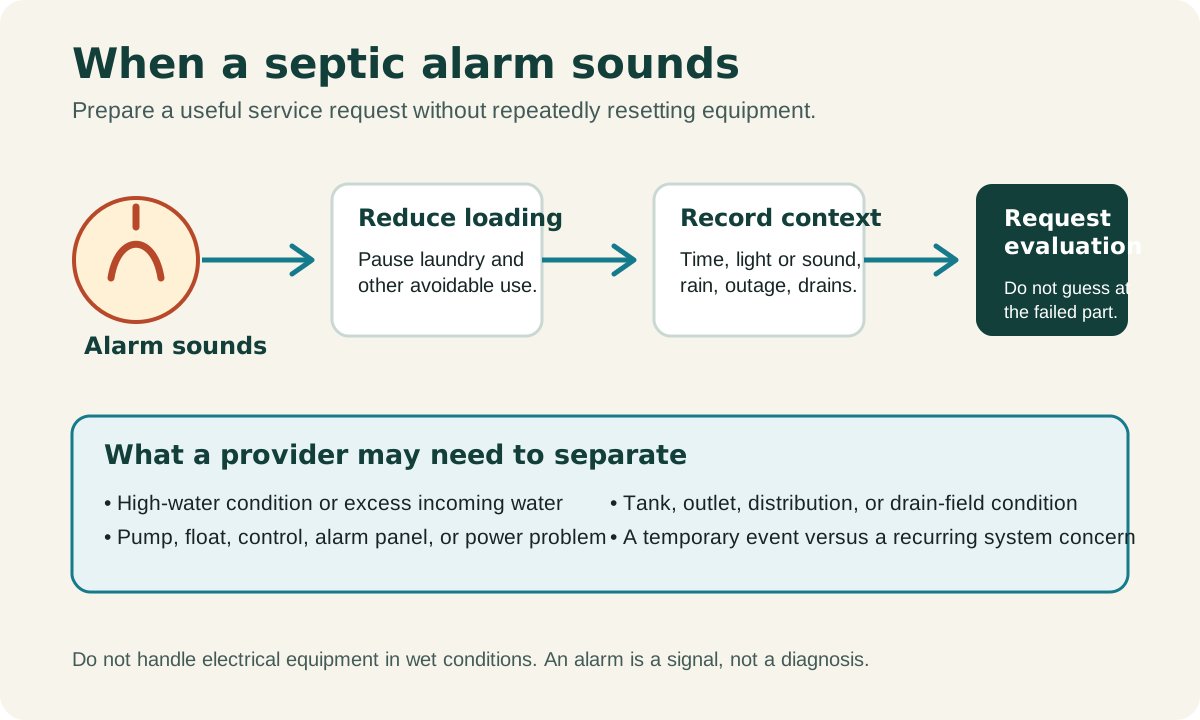
Details that help the provider
The provider needs the sequence, not only the label “broken septic.” State whether the alarm came before or after slow drains, backup, rainfall, a power interruption, pumping, plumbing work, or unusually high water use. Note whether the condition cleared and returned.
If the alarm panel or equipment is in a wet area, do not touch it. Record visible or audible information from a safe location without removing covers or repeatedly resetting controls.
- When the alarm or symptom began
- Whether the alarm is audible, visual, or both
- Recent heavy water use, rainfall, pumping, or power interruption
- Whether drains are slow, backing up, or working normally
- Known system type, pump equipment, and prior repairs
Possible repair categories
These categories help describe the request, but they overlap. A high-water alarm can involve inflow, a pump, a float, a control, wiring, an outlet, distribution, or a downstream condition. An odor or backup can involve household plumbing as well as the septic system.
- Pump, float, control, or electrical component
- Inlet, outlet, distribution, or household line
- Tank, lid, riser, baffle, or filter
- Drain-field evaluation or repair
- Alarm panel or related equipment
How diagnostic work should lead to a repair scope
A pumping visit can create access or reveal a condition, but it should not become an open-ended repair authorization. Ask the provider to separate diagnostic charges, immediate safety work, recommended repair, and optional improvements.
- Confirm the current symptom, timeline, recent events, and system information.
- Identify safe access and the components included in the evaluation.
- Test or observe only within the provider's authorized scope.
- Explain the finding, supporting evidence, and any remaining uncertainty.
- Provide a separate written repair scope, price, exclusions, and permit responsibility.
- Obtain authorization before work expands beyond the original request.
- Document completed work, replaced components, tests, and follow-up requirements.
When permitting may matter
Polk County Environmental Health says permits are required to install or make repairs to onsite systems. The provider and county can determine the required permit and inspection path for the proposed work.
Replacing an alarm component, repairing a line, altering a tank, changing a drain field, and replacing a system do not necessarily follow the same path. The written proposal should identify who will determine permit applicability, submit documents, schedule inspections, and retain final approvals.
Safety boundaries
Do not enter a septic tank or excavation. Keep children and pets away from open access, sewage, unstable covers, and work areas. Polk Septic Help is not an emergency-response service and cannot guarantee provider timing.
- Do not enter a septic tank
- Keep people and pets away from sewage or unstable covers
- Do not handle electrical equipment in wet conditions
- Reduce wastewater use when backup or overflow is present
Compare repair proposals on the same facts
A proposal that names the problem without documenting the observation may be incomplete. Ask what evidence supports the recommendation and what additional condition could change the scope.
- Observed condition and diagnostic evidence
- Exact component, material, capacity, and compatibility assumptions
- Temporary stabilization versus permanent repair
- Permit, inspection, electrical, excavation, and restoration responsibilities
- What is excluded or could trigger a change order
- Testing, startup, documentation, warranty, and maintenance requirements
- How unexpected tank or drain-field conditions will be handled
Questions homeowners ask
Why is my septic alarm sounding?
An alarm can indicate a high-water condition, pump or float problem, control or power issue, or another system condition. The alarm alone does not identify the failed part.
Should I reset the alarm?
Avoid repeatedly resetting or silencing equipment without understanding the condition. Reduce avoidable water use, record the alarm and recent events, and follow the selected provider's safe instructions.
Does a septic repair need a Polk County permit?
Polk County says permits are required to install or make repairs to onsite systems, but the exact path depends on the work. The provider and county should confirm applicability and inspection requirements.
Can the provider add repair work during a pumping visit?
A provider may identify a concern, but the homeowner should receive the finding, proposed added scope, price, permit effect, and authorization terms before nonessential work expands.
Ready to stop guessing and talk to a septic pro?
Tell us what changed, where the property is, and when you need help. We send your request to one qualified provider, follow up, and move to the next qualified provider if contact does not happen.
Help me find a septic proNo call-list blast. No pressure to hire. Provider contact and a quote are not guaranteed.
Keep the free Polk County homeowner guide